Activated Carbon vs Catalytic Carbon Filter: Which Wins?
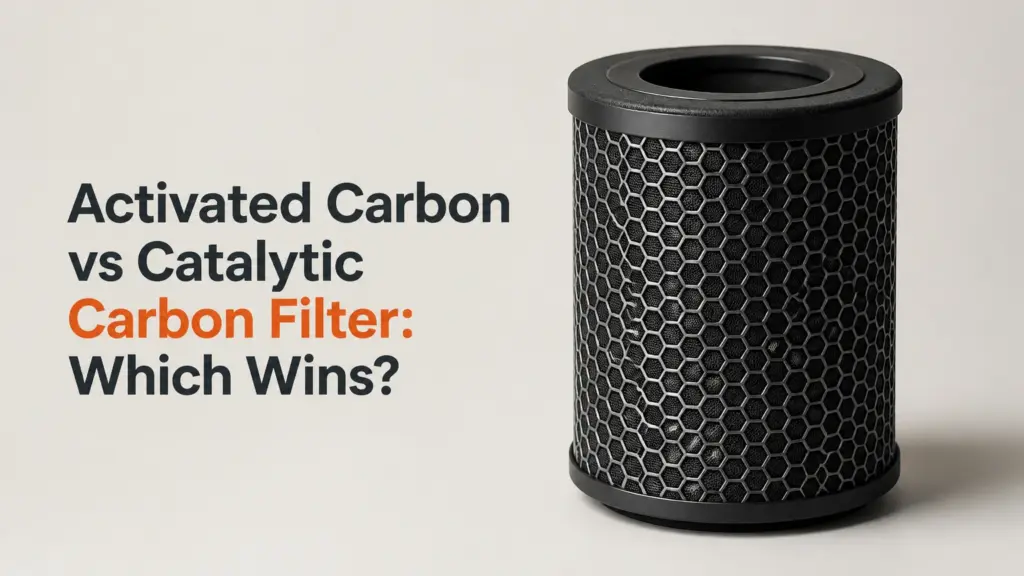
Activated carbon is usually the better-value choice for chlorine, taste, odor, and many organic compounds, while catalytic carbon is better suited to chloramine and some sulfur-odor applications. The correct choice depends on the contaminant, contact time, pH, dissolved oxygen, peak flow, sediment load, and whether the filter is a cartridge or backwashing tank. Key facts […]
Solar Panel Efficiency Comparison: Choose the Right Technology
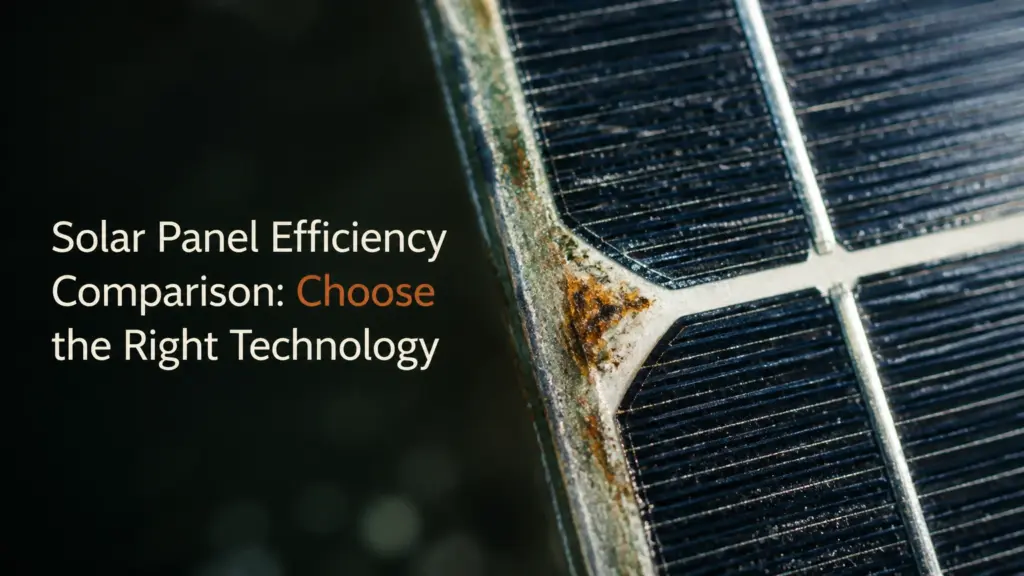
Solar panel efficiency comparison shows how monocrystalline PERC, TOPCon, HJT, polycrystalline, and thin-film modules trade conversion rate against heat loss, shade response, degradation, roof area, and price. For most space-constrained homes, current n-type TOPCon or HJT panels are the strongest choices, while thin-film or standard mono can win when weight, heat, or unusual surfaces matter […]
Solar Panels for Backyard Shed: Size, Cost, and Setup

Solar panels for a backyard shed can provide independent electricity for lights, device charging, security equipment, and selected tools without trenching a utility cable. A practical system normally combines photovoltaic panels, a charge controller, a battery, an inverter, fuses, and weather-rated wiring, with the required size determined by daily watt-hours, motor startup surge, available sunlight, […]
Salt Based vs Salt Free Water Softener: Which Wins?
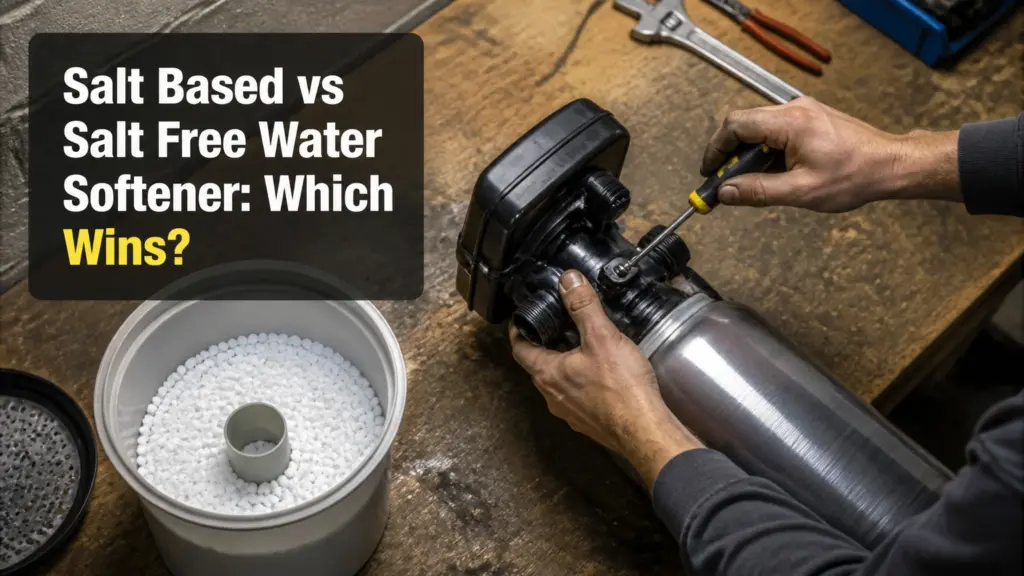
A salt-based water softener is the better choice when you need calcium and magnesium removed, softer-feeling water, easier soap lather, and fewer mineral spots. A salt-free water conditioner is better when scale reduction, zero brine discharge, low maintenance, and mineral retention matter more than chemically soft water. Key Facts Salt-based softeners remove hardness through ion […]
UV Water Filter vs Carbon Filter: Choose by Water Risk
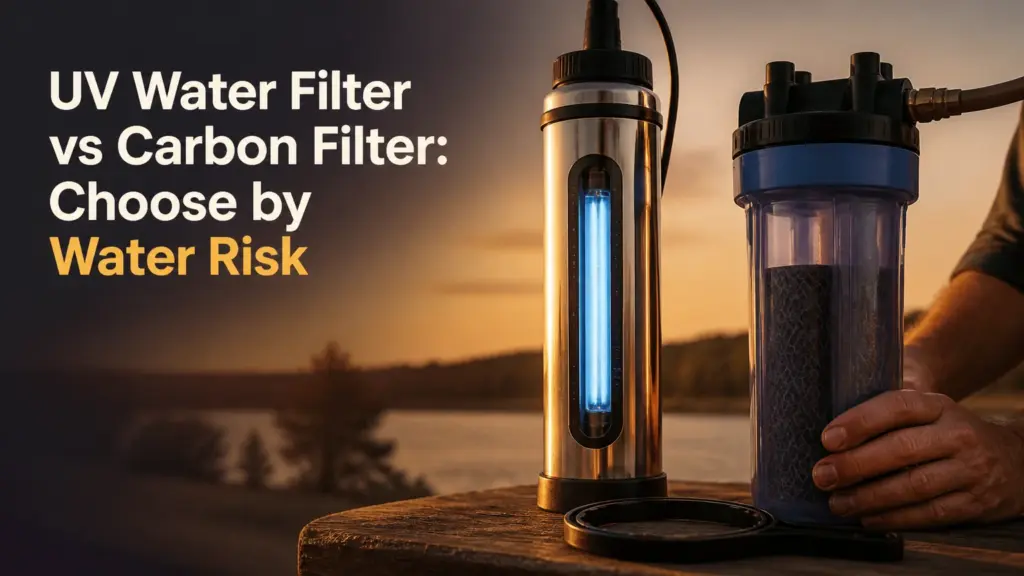
A UV water filter vs carbon filter decision depends on the contaminant you need to control: ultraviolet treatment inactivates bacteria, viruses, and protozoa, while activated carbon reduces selected chemicals, chlorine, taste, odor, and some organic compounds. UV does not remove dissolved chemicals, and carbon does not reliably disinfect water, so many well-water systems use both. […]
Water Filter for PFAS: Choose the Right System
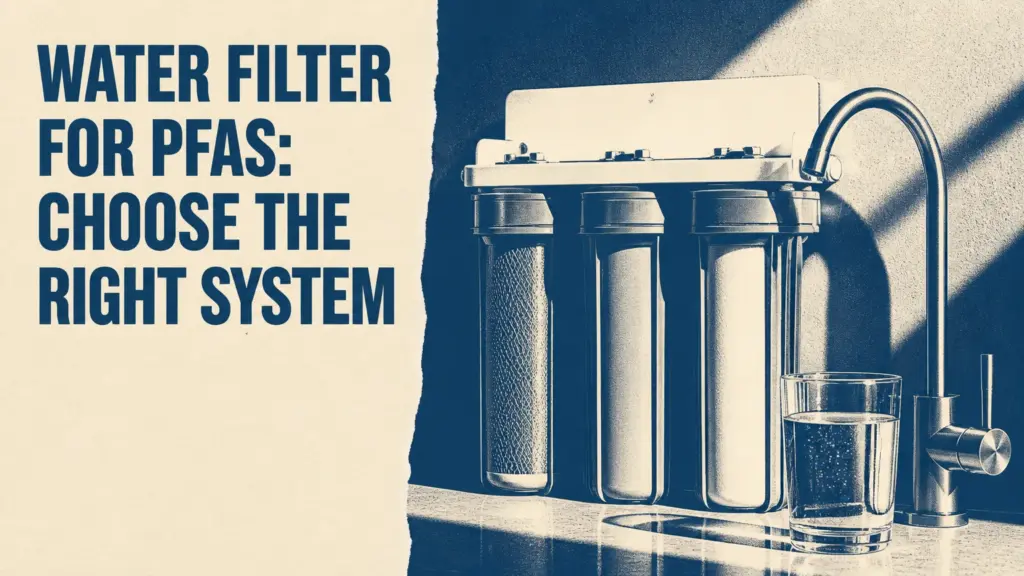
A water filter for PFAS should use certified reverse osmosis, activated carbon, or anion-exchange treatment with a documented reduction claim for the specific PFAS in your water. Reverse osmosis usually provides the strongest point-of-use barrier, while carbon can cost less and ion exchange can protect a whole home when professionally sized and maintained. Key Facts […]
Solar Panel Warranty Comparison: Which Coverage Wins?
A solar panel warranty comparison should evaluate product coverage, output degradation, inverter protection, workmanship, labor responsibility, exclusions, and claim procedures together. The strongest warranty is rarely the one with the longest headline term; it is the contract that leaves the smallest financial gap when a roof-mounted component fails. Key Facts at a Glance Product warranties […]
UV Water Purifier vs Reverse Osmosis: Which Should You Choose?
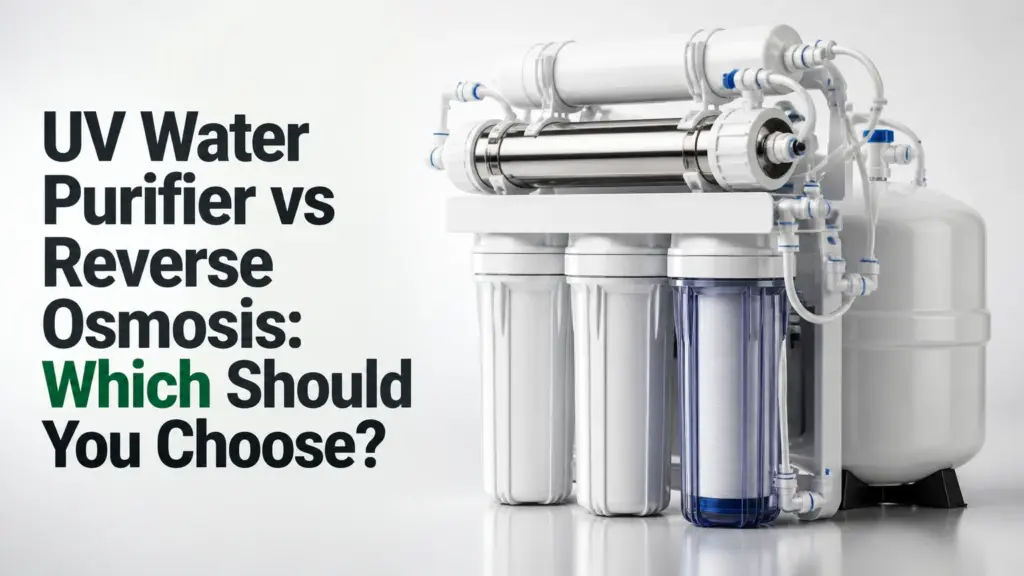
A UV water purifier is usually better for microbiological risk in clear, low-mineral water, while reverse osmosis is better for dissolved salts, metals, nitrate, fluoride, and high total dissolved solids. UV disinfects without removing contaminants; RO separates many contaminants from water but wastes some feed water and requires more maintenance. Key Facts at a Glance […]
Reverse Osmosis vs Bottled Water: Cost, Safety, and Waste
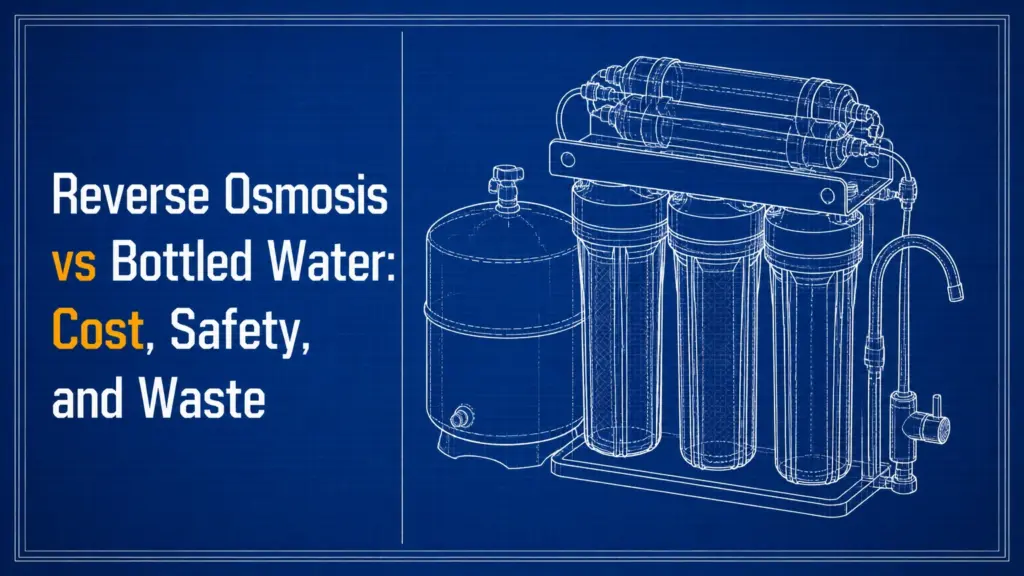
Reverse osmosis usually offers the better long-term household supply because a certified, maintained system can reduce many dissolved contaminants at a far lower cost and with less packaging waste. Bottled water remains better for portability, immediate access, and short-term emergencies, but its safety depends on the source, treatment, container, storage, and handling. Key Facts at […]
Carbon Block vs Granular Activated Carbon: Which Wins?
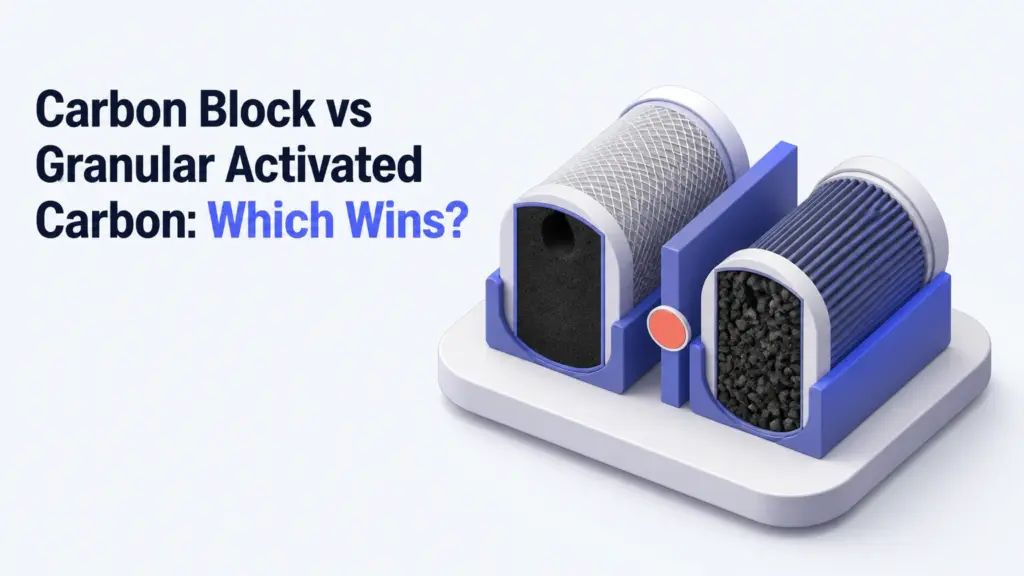
Carbon block generally wins for point-of-use drinking water because its compact structure provides finer particle filtration and more uniform carbon contact. Granular activated carbon (GAC) generally wins for whole-house treatment because a correctly sized bed supports higher flow with less pressure loss. The right choice depends on contaminant, flow demand, bed depth, and certification. Key […]