Water Filter for City Water: Choose by Contaminant Risk

A water filter for city water treats water after municipal processing and before household use. The right system depends on the contaminant, not the word “city”: activated carbon improves chlorine taste, certified lead media targets plumbing contamination, and reverse osmosis reduces many dissolved substances, including some PFAS, nitrate, and fluoride. Key Facts Municipal treatment reduces […]
South Facing vs East West Solar Panels: Which Wins?
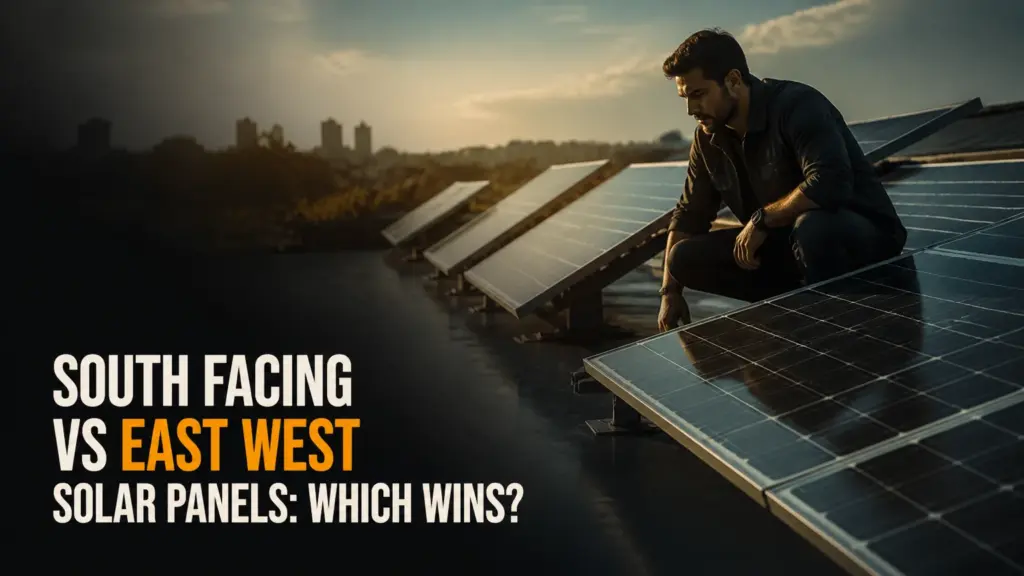
South facing vs east west solar panels is a choice between higher energy yield per panel and a broader, more useful generation profile. In the Northern Hemisphere, south-facing panels usually produce the most annual kWh per module, while east-west arrays can generate more electricity per square meter on flat roofs and better match morning or […]
Solar Panels for Tile Roofs: Mounts, Costs, and Roof Risks

Solar panels for tile roofs are conventional photovoltaic modules installed above clay, concrete, or slate roofing with a structure that transfers loads to rafters or other approved structural members. The safest systems preserve the roof’s drainage plane through correctly placed flashing, replacement tiles, and sealed penetrations rather than relying on sealant alone. Key Facts at […]
Solar Inverter Size for Home: 5-Step Sizing Guide

The right solar inverter size for home depends on the highest simultaneous AC load, motor-starting surge, solar array capacity, and whether batteries must provide backup. A typical grid-tied house uses a 3-8 kW inverter, while homes with large air conditioning, electric heating, EV charging, or whole-home backup may need 8-15 kW or a load-management system. […]
Solar Panels for Electric Vehicle Charging: A Practical Guide
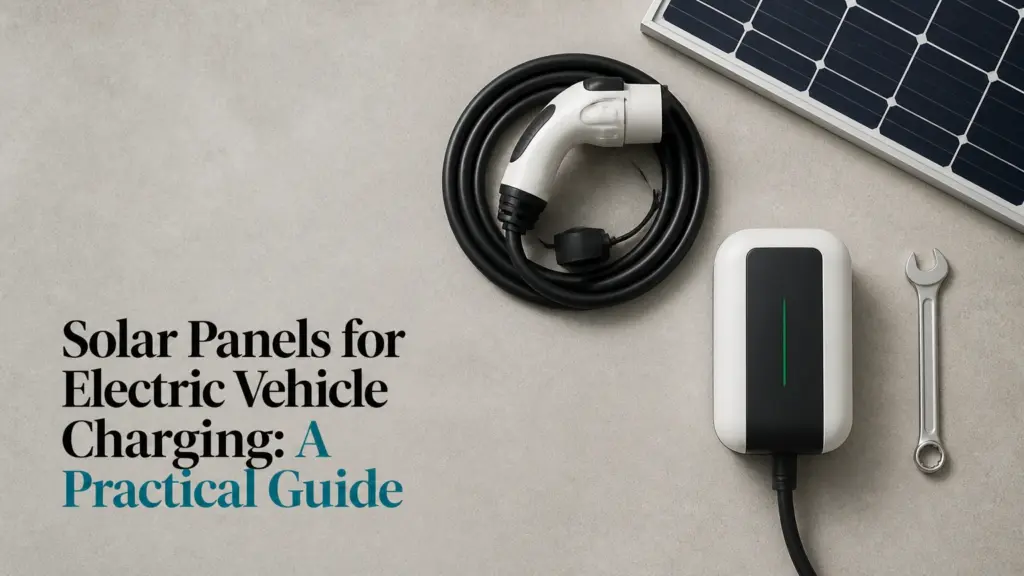
Solar panels for electric vehicle charging convert sunlight into electricity that an inverter, electrical panel, and EVSE deliver to an electric vehicle. A grid-connected system can offset charging with daytime solar exports, while a battery system can shift solar energy into evening hours. The right design depends on mileage, climate, roof space, utility rates, and […]
Water Filter for Bacteria: Choose the Right UF, RO, or UV

A water filter for bacteria is a treatment system that physically removes bacteria, inactivates them with ultraviolet light, or uses both methods. Ultrafiltration and ceramic membranes can block many bacteria, reverse osmosis provides broader contaminant reduction, and UV disinfection neutralizes microorganisms only when water is clear and the system receives its specified dose. Key Facts […]
Sediment Filter vs Carbon Filter: Which One Should You Choose?

A sediment filter removes suspended particles such as sand, rust, and silt by mechanical filtration, while a carbon filter adsorbs chlorine, many organic chemicals, and taste- and odor-causing compounds. Neither cartridge handles every contaminant. For most home systems, the correct sequence is sediment filtration first, followed by activated carbon, with the water source and laboratory […]
Water Softener Grain Capacity: Size It Correctly

Water softener grain capacity is the amount of hardness a resin bed can remove between regenerations, measured in grains of calcium carbonate equivalent. A 32,000-grain label describes a rated maximum under a specified salt dose, not necessarily the efficient working capacity; actual sizing depends on hardness, iron, water use, resin volume, and the control valve. […]
Water Filter Flow Rate: Size It Without Pressure Loss

Water filter flow rate is the volume of treated water a filtration system delivers per unit of time, usually measured in gallons per minute (GPM) or liters per minute (LPM). The correct rating must meet peak fixture demand while preserving usable pressure, because a filter can remove contaminants effectively yet deliver too little water for […]
Solar Panels for High Energy Homes: A Practical Sizing Guide
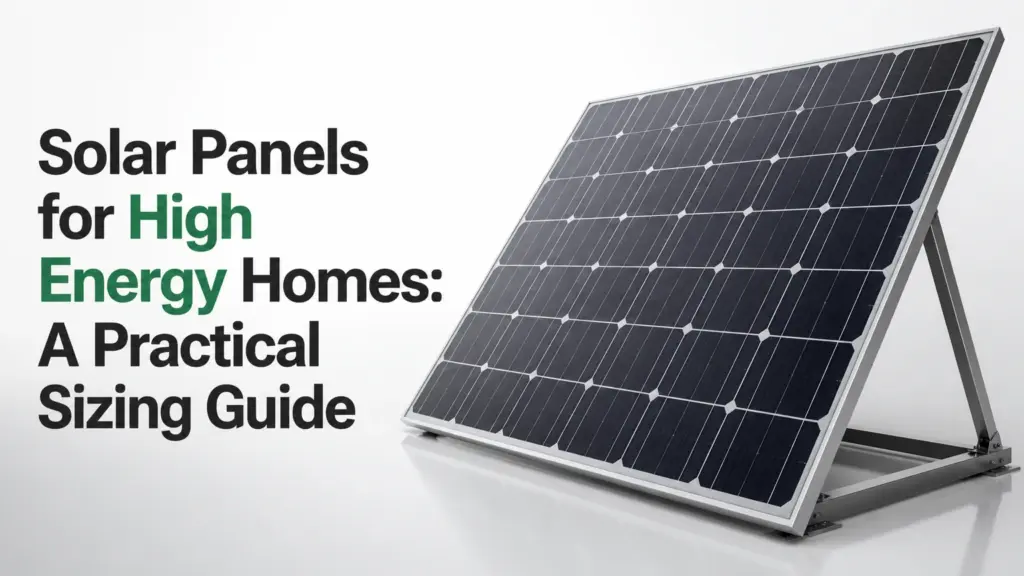
Solar panels for high energy homes require coordinated sizing of the photovoltaic array, inverter, electrical service, battery, and energy-management controls. Homes using roughly 1,500-2,500 kWh per month may need a 15-30 kW array, but local sunlight, peak demand, roof area, utility rules, and backup goals determine the correct design. Key facts A high-energy home commonly […]