SPAN Panel Not Integrating With Solar System: Fixes
A SPAN Smart Panel that is not integrating with a solar system usually has a commissioning, wiring, compatibility, or communication problem. Grid-tied solar often needs correct breaker placement and slot mapping, while battery-backed installations may also require an approved gateway connection, compatible firmware, and correctly configured current transformers. Key Facts at a Glance SPAN measures […]
Solar Inverter Repair vs. Replacement: Cost Decision Guide
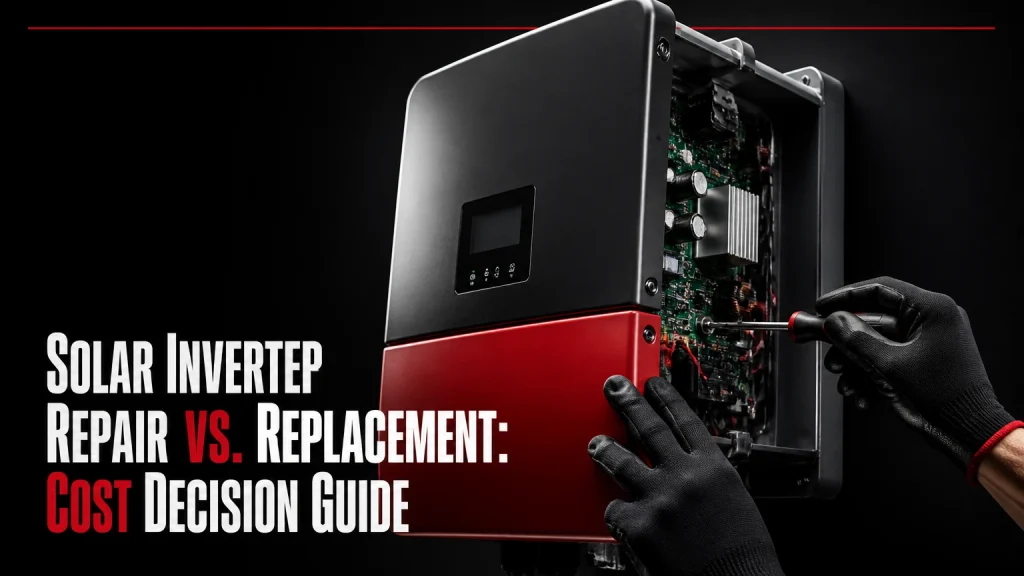
The cost difference between repairing and replacing a solar inverter usually ranges from $500-$2,000, but the cheaper invoice is not always the lower-cost decision. Typical repairs cost $500-$3,000, while a professionally installed replacement costs $1,000-$5,000. Repair usually wins for a newer, warrantied unit with a contained fault; replacement often wins when an older inverter needs […]
How Often Should Solar Panels Be Serviced? A 2-Year Plan
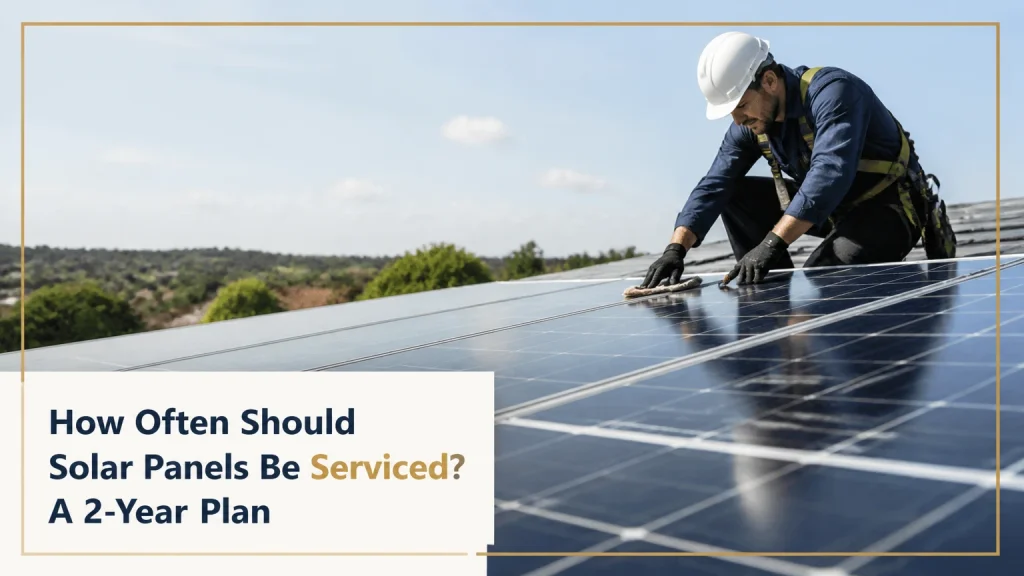
Solar panels should receive a professional technical service every 1-2 years, while cleaning typically occurs 1-4 times annually according to local soiling, rainfall, roof angle, and output loss. Newer systems in mild climates may need less attention; dusty, coastal, shaded, storm-prone, or commercial systems often need more frequent checks. Key Facts at a Glance How […]
Solar System Reset Button Location and Use: Safe Reboot
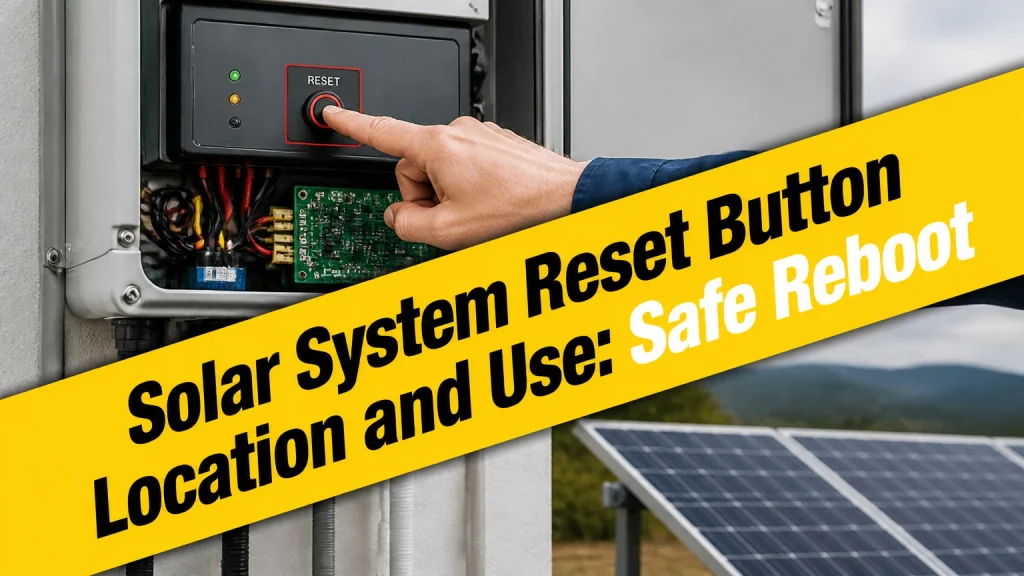
A solar system has no universal reset button. The correct control may be a menu command on the inverter, an AC or DC disconnect, a battery power switch, a BMS wake button, or a charge-controller sequence, and the equipment manual determines the safe order. Key Facts at a Glance What Does a Solar System Reset […]
Sol-Ark 12K vs 15K Error Code Differences: A Safer Comparison
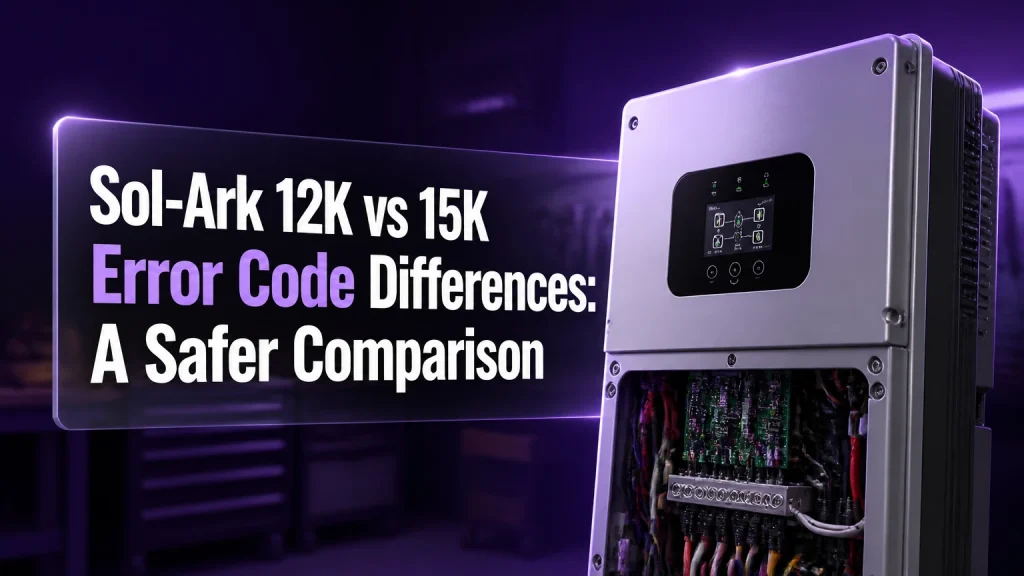
Sol-Ark 12K vs 15K error code differences are usually caused by hardware limits, firmware revisions, system wiring, and operating mode rather than entirely separate code libraries. The two inverters share many alarm labels, but identical labels do not guarantee identical thresholds or root causes, so the model number, firmware version, event history, and electrical conditions […]
Home Battery Stuck in Standby Mode: Fix It Safely
A home battery stuck in standby mode is usually paused because solar input, household demand, backup reserve, operating schedules, temperature, or grid conditions do not require charging or discharging. If the battery remains idle when those conditions clearly call for activity, inspect settings and communications first, then perform only the manufacturer-approved restart sequence. Key Facts […]
What Is a Solar Rapid Shutdown Device? A Practical NEC Guide
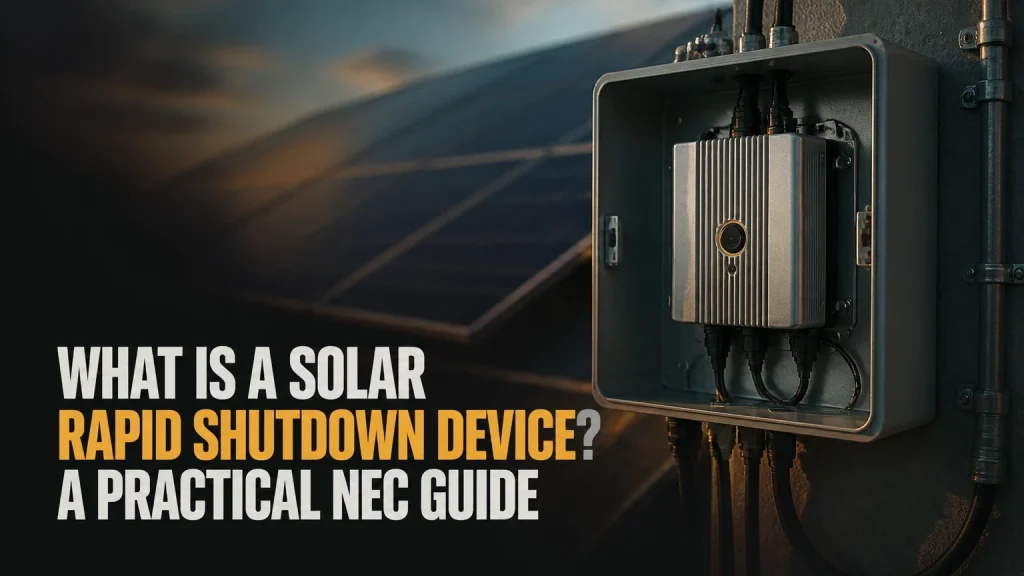
A solar rapid shutdown device is electrical safety equipment that quickly reduces hazardous DC voltage in a photovoltaic array when an emergency shutdown is initiated. The system isolates or de-energizes solar modules and conductors so firefighters, maintenance workers, and other responders face a much lower shock risk near a building-mounted array. Key Facts at a […]
Battery Backup Runtime Shorter Than Expected: Diagnose It
Battery backup runtime shorter than expected usually indicates excessive load, an aging battery, voltage sag, charging failure, or unrealistic manufacturer runtime assumptions. Measure actual watts first, compare usable watt-hours with the manufacturer’s runtime curve, then test battery voltage under load before recalibrating or replacing the battery. Key Facts A UPS runtime rating applies to a […]
Solar Panel Arcing Sound Danger Signs: What to Do
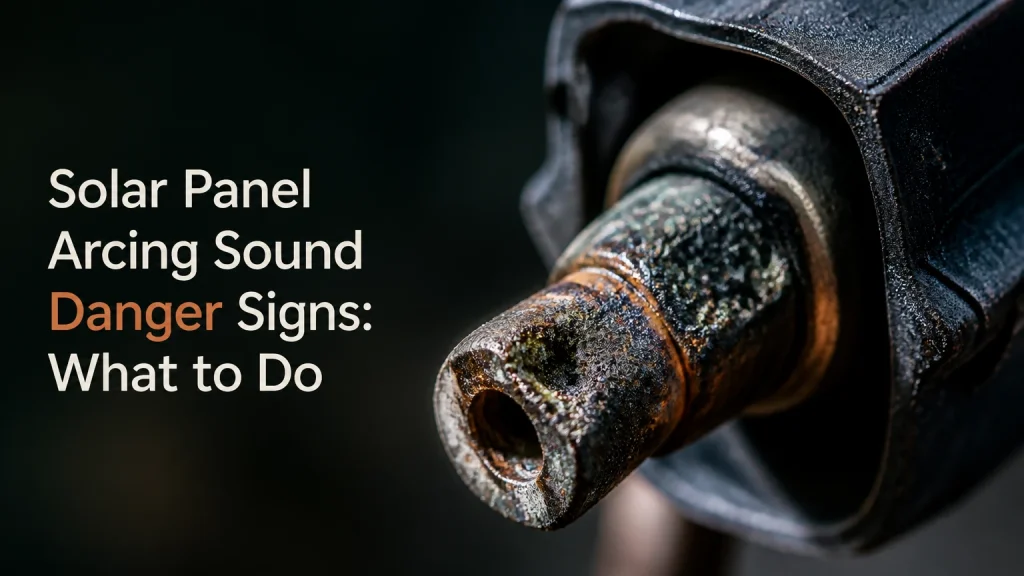
Solar panel arcing sound danger signs include sharp crackling, sizzling, or irregular buzzing accompanied by burning-plastic odor, smoke, sparks, scorch marks, or an inverter arc-fault alert. Treat those symptoms as a potentially energized electrical fire: move away, keep others clear, call emergency services for smoke or fire, and arrange qualified solar isolation before anyone investigates. […]
Solar System Shows Error but Keeps Running: Fixes
A solar system that shows an error but keeps producing electricity is usually in a warning, limited-output, or communication-failure state rather than a complete shutdown. The inverter has detected an abnormal condition, such as high grid voltage, low insulation resistance, excess heat, or lost monitoring data, but its protection logic still permits operation. Key Facts […]