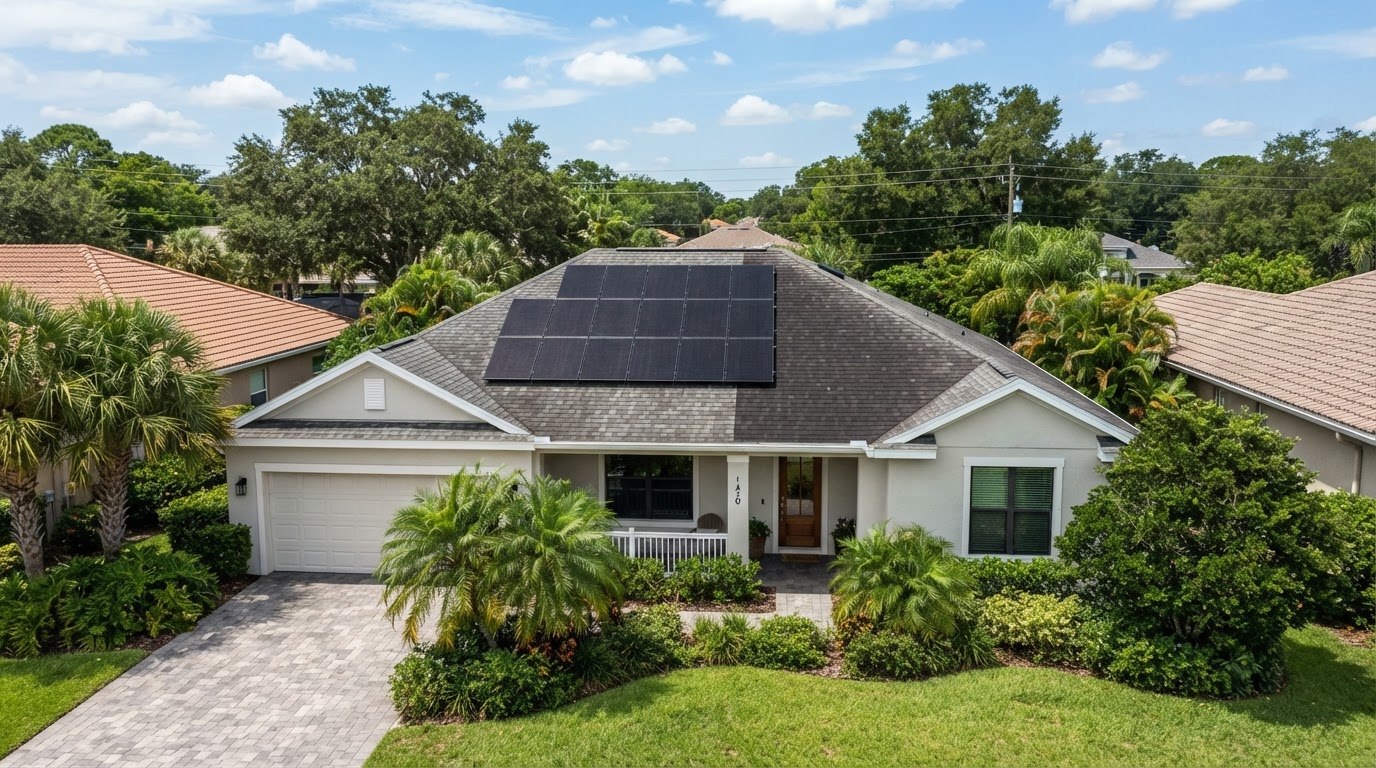
Yes, you can often add more solar panels to an existing system, but expansion is an engineering and utility approval question, not simply a matter of buying more modules. A Central Florida home that has added an electric vehicle, pool pump or heat pump may consume noticeably more electricity than when its original array was installed. Before spending money, determine whether the system is healthy and whether a larger array would actually offset the additional load. The right design preserves the equipment warranty, roof integrity and electrical safety.
Start with your electricity usage and existing production
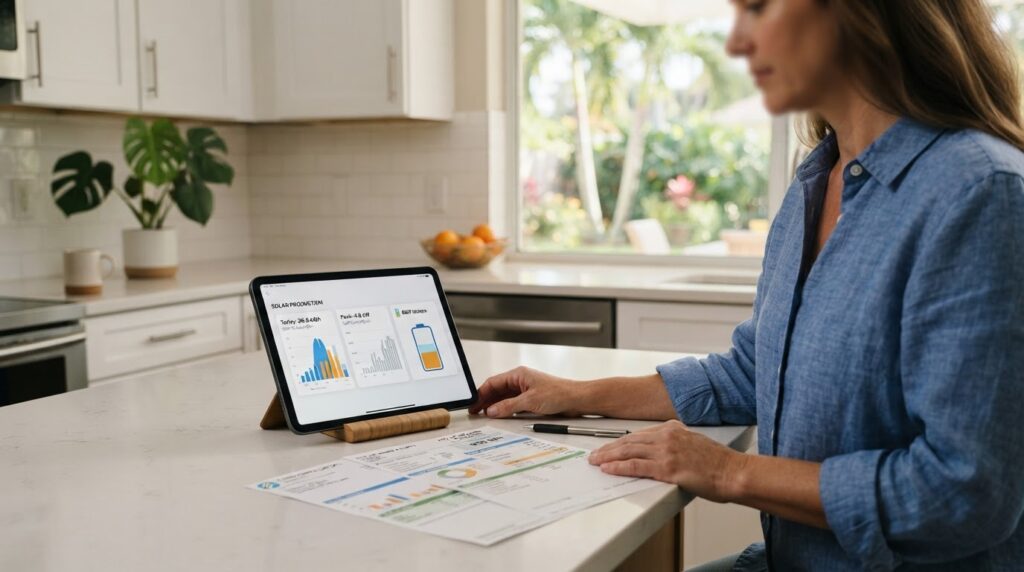
Collect a full year of utility bills and the matching solar monitoring history. Look at energy in kilowatt-hours rather than only the monthly dollar amount. If annual household consumption increased from 11,000 to 14,000 kWh while the system still delivers 10,000 kWh, the additional 3,000 kWh is a useful starting point. First rule out panel shading, inverter outages and other production losses. A repair may restore energy without expanding the array. Our home energy-use guide can help you establish the baseline. A contractor can model incremental production with roof-specific orientation and shade using a tool such as PVWatts.
Choose the expansion method that fits your hardware
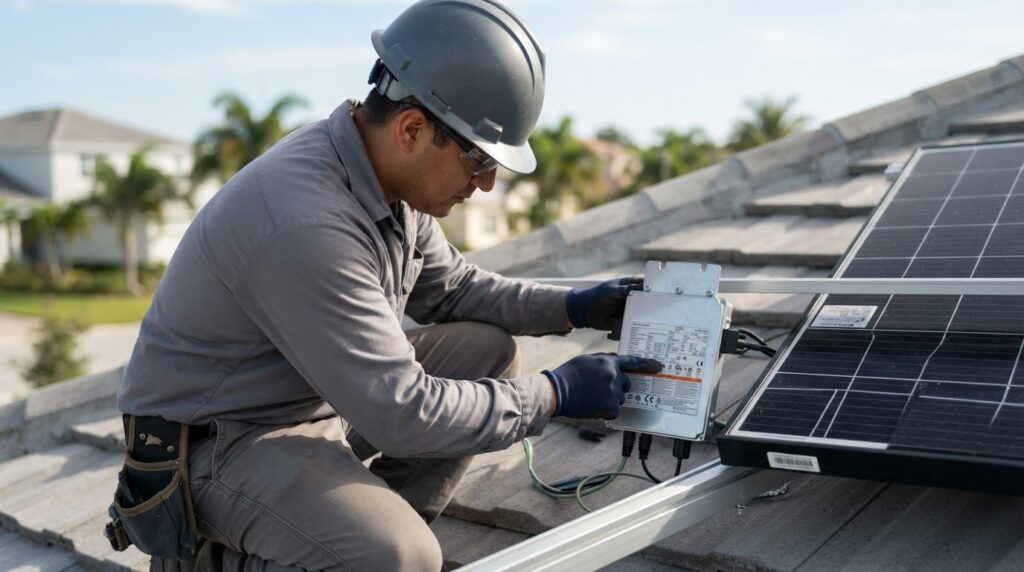
A string inverter may have a spare maximum power point tracking input or sufficient DC input capacity, but the voltage, current, approved module combination and string design must all remain within its manufacturer limits. Adding incompatible modules to an existing string can compromise performance and safety. Microinverter systems can sometimes be extended more modularly, provided branch-circuit capacity, gateway compatibility and interconnection limits are checked. Another option is a separate new array and inverter, especially when older equipment has limited support. Review solar inverter sizing and request a written compatibility assessment. Do not disconnect live PV wiring yourself.
Check roof space, equipment and utility approvals
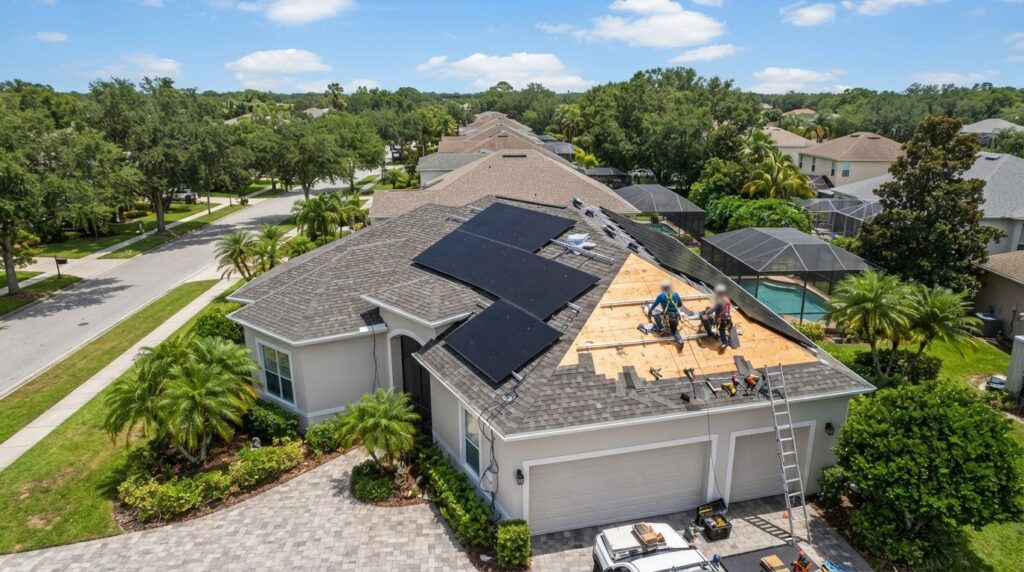
Additional roof area must satisfy local structural, fire-access, wind and attachment requirements. Central Florida roofs may have shaded faces or limited usable space near vents and ridges. A structural and electrical review should include the existing service panel, available breaker capacity, inverter rating and roof warranty. FPL asks customers to have proposed systems preapproved; a capacity increase can require a new interconnection application and agreement. Duke Energy, OUC and other utilities have their own procedures. Read our Florida net metering guide and confirm the rules with your actual electricity provider before work begins.
Estimate expansion cost and compare alternatives
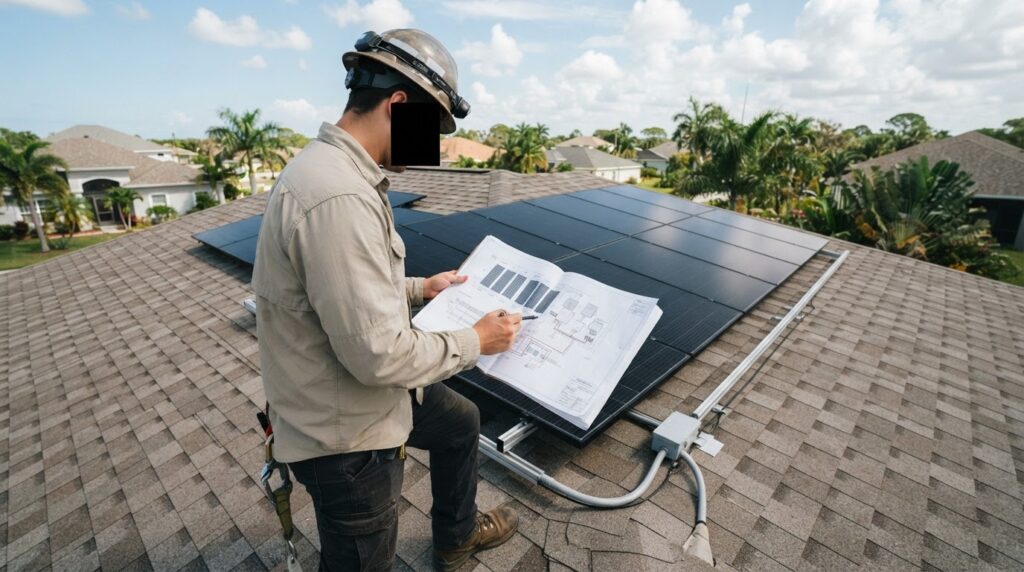
Suppose a contractor models an additional 2.4 kW of DC capacity from six 400-watt modules. At an illustrative 1,400 kWh per installed kW per year, that could generate about 3,360 kWh annually before site-specific adjustments. This is not a quote or production guarantee. Ask for itemized pricing for modules, inverter or microinverters, racking, electrical work, design, permitting and utility changes. Small expansions may have higher cost per watt because fixed labor and permitting costs are spread over fewer modules. Compare a separate array, inverter replacement, energy efficiency measures and a battery if your goal is backup rather than annual production. See our solar panel size guide and proposal checklist.
Frequently Asked Questions
Can I mix old and new solar panels?
Sometimes, but electrical compatibility depends on the inverter architecture, module specifications and string or circuit design. Obtain manufacturer-approved design guidance.
Will adding panels void my warranty?
It can affect coverage if unauthorized modifications or incompatible hardware are used. Get warranty requirements and installer responsibility in writing.
Do I need utility approval again?
An increase in generation capacity may require amended approval. Contact your utility before installation, even if the original system already has permission to operate.
Planning Your Next Step
SunGo Energy Company can help you evaluate whether added solar capacity makes sense for your property. Request a solar assessment before committing to more equipment. Contact our team or explore our solar solutions.